

Introduction
Saffron, often called the “red gold” of spices, is one of the most luxurious ingredients on Earth. Many people wonder: is saffron rare? The answer is yes — and for good reason. Let’s explore why saffron is so valuable, scarce, and unique among all spices.
For those who are looking to experience the finest quality saffron, you can get in touch with ESIR Company today and place your order with worldwide shipping.
📞 Contact numbers:
+34 – 912 792 540
+34 – 662 39 19 59
What Is Saffron?
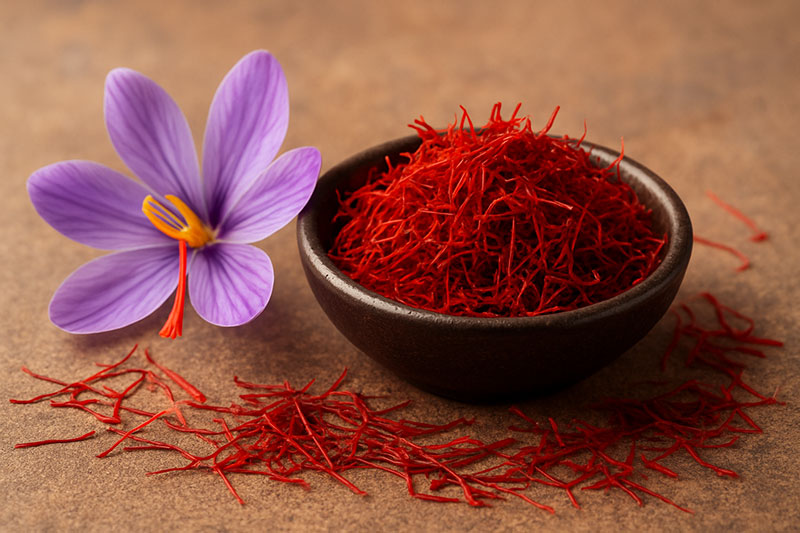
Saffron is derived from the stigma (threads) of the Crocus sativus flower.
Each flower produces only three red threads, which must be hand-picked and dried to create the spice we know. Because so many flowers are needed to produce even a small amount, saffron is naturally limited in supply.
Why Is Saffron Rare?
1. Extremely Low Yield
It takes around 75,000 flowers to make just one pound of saffron. Each flower provides only three stigmas, so production is incredibly inefficient — and that rarity drives up its value.
2. Labor-Intensive Harvesting
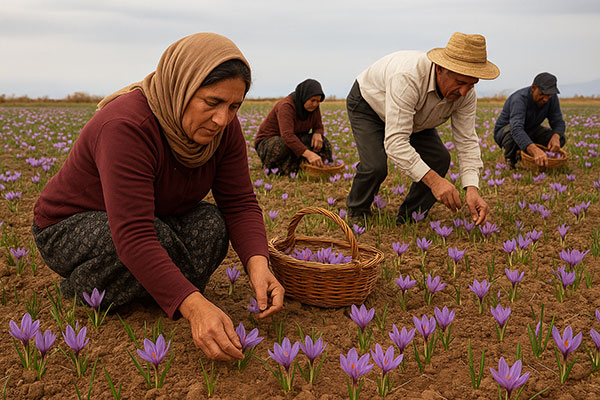
Harvesting saffron cannot be mechanized. Workers must hand-pick each delicate stigma before sunrise to prevent damage. This process is slow, detailed, and costly, adding to the spice’s exclusivity.
3. Short Harvest Season
Saffron crocus flowers bloom for only a few weeks each year. If harvesting is mistimed — too early or too late — the quality declines. This narrow window limits global production.
4. Limited Growing Regions
Saffron requires specific climates: hot, dry summers and cool winters. It thrives mainly in regions like Iran, Spain, and Kashmir, which restricts large-scale cultivation.
5. Risk of Adulteration
Because saffron is so expensive, it’s often mixed with dyes or fake threads. High-grade, pure saffron is carefully tested and certified, which reduces availability even further.
6. Market & Climate Challenges
Global trade restrictions, climate change, and droughts also threaten saffron crops — making genuine saffron even rarer and harder to source.
Is Saffron Truly Rare?
Yes. Genuine, high-quality saffron is rare because of limited production, strict climate needs, and intensive manual work. While lower-quality or adulterated versions are easier to find, authentic saffron remains one of the scarcest and most valuable spices on the planet.
How to Identify Real Saffron
To ensure you’re buying authentic saffron, follow these simple tips:
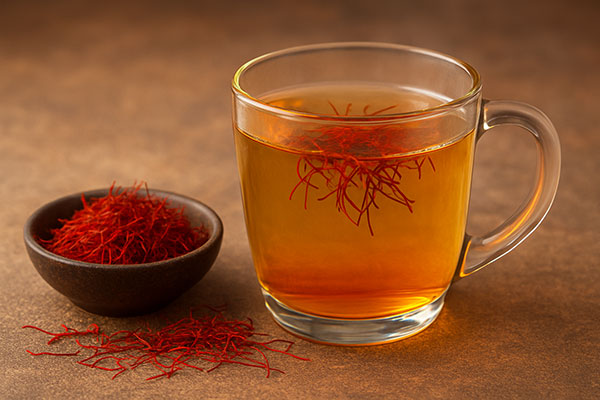
Color: Deep red threads with minimal yellow parts.
Smell: Natural, slightly sweet, and earthy aroma — never chemical.
Water Test: Real saffron releases color slowly in warm water, not instantly.
Origin: Choose certified saffron from Iran, Spain (La Mancha), or Kashmir.
Packaging: Look for purity certifications and transparent labeling.
Final Thoughts
So, is saffron rare? Absolutely.
Its rarity stems from nature’s limits, human craftsmanship, and centuries of tradition. Each thread of saffron represents hours of labor, thousands of flowers, and an irreplaceable aroma that no synthetic spice can mimic.
Whether you use it in cooking, cosmetics, or tea, saffron remains a symbol of luxury — and a reminder that true quality is always rare.
