

Saffron is widely known as the most expensive spice in the world, prized for its unique flavor, vibrant golden color, and medicinal properties. But have you ever wondered where saffron actually comes from? The answer lies in a delicate, purple flower known as the saffron crocus, or Crocus sativus. In this comprehensive guide, we will explore everything you need to know about saffron crocus—from its origins and cultivation to how it becomes the high-quality saffron spice that elevates dishes around the world. Whether you’re a culinary enthusiast, a health-conscious consumer, or someone looking to buy premium saffron online, this guide is for you.
For those who are looking to experience the finest quality saffron, you can get in touch with ESIR Company today and place your order with worldwide shipping.
📞 Contact numbers:
+34 – 912 792 540
+34 – 662 39 19 59
🌿 Understanding the Saffron Crocus
What Is Saffron Crocus?
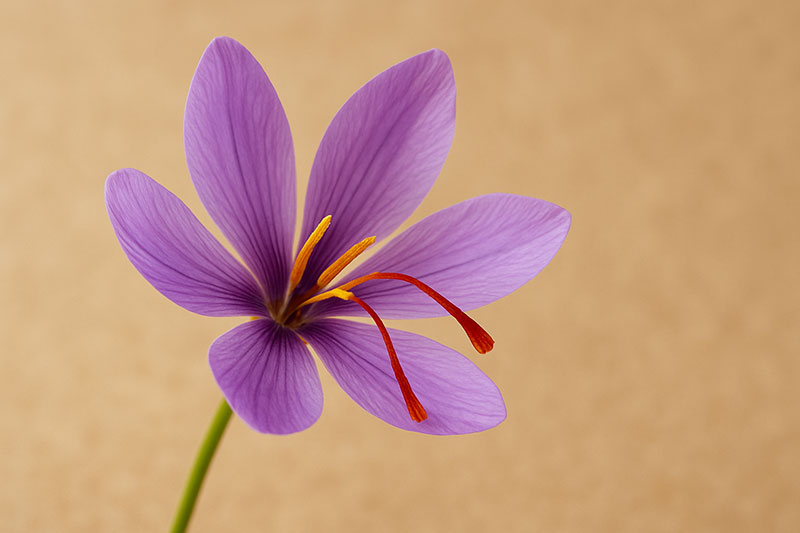
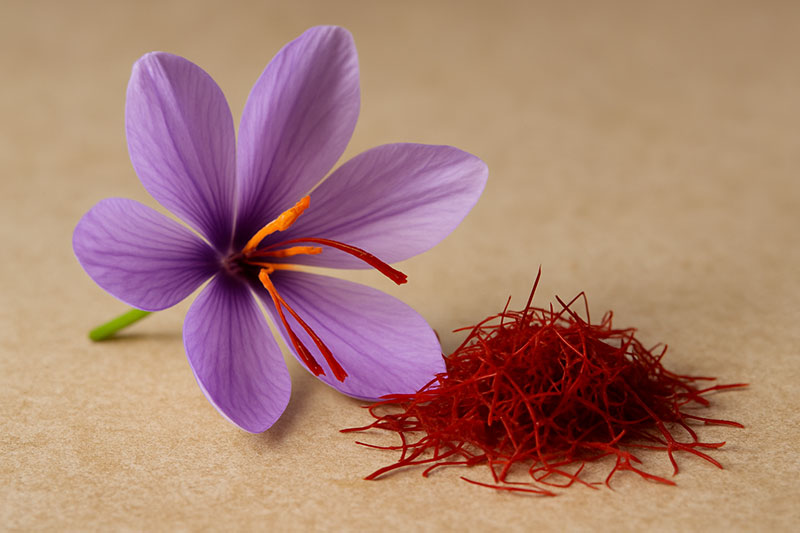
The saffron crocus (Crocus sativus) is a perennial flowering plant that belongs to the Iridaceae family. It is unlike other crocus species, as it is sterile and triploid, meaning it cannot reproduce naturally through seeds and is propagated through corms (bulbs). Each saffron crocus produces a single flower, and each flower contains just three vivid red stigmas. These stigmas are the source of saffron spice, which is harvested and dried to become the golden threads cherished in kitchens worldwide.
Fun Fact: It takes around 75,000 saffron crocus flowers to produce just one pound of saffron spice. This labor-intensive process explains why saffron is so rare and valuable.
Saffron Crocus vs. Saffron Plant
Many people use the term saffron plant to describe the same flower — Crocus sativus. While saffron crocus is the correct scientific name, both refer to the same plant responsible for producing saffron threads.
However, be aware that “saffron plant” is sometimes mistakenly used for other flowers that mimic saffron’s color or fragrance but are not true saffron sources.
This article focuses exclusively on the true saffron plant — the Crocus sativus.
Key Features of the Saffron Crocus
- Color: Striking purple petals with vivid red stigmas.
- Height: Usually grows 10–30 cm tall.
- Blooming Season: Fall (September–October in the Northern Hemisphere).
- Propagation: Through corms rather than seeds.
| Feature | Description |
|---|---|
| 🌿 Scientific Name | Crocus sativus |
| 🌼 Common Name | Saffron Crocus |
| 🌱 Plant Family | Iridaceae |
| 🌞 Plant Type | Perennial |
| 💜 Flower Color | Light purple |
| 🔴 Stigma Color | Bright red |
| 3️⃣ Number of Stigmas per Flower | 3 threads |
| 📏 Plant Height | 10–30 cm |
| 🍂 Blooming Season | Fall (September–October in the Northern Hemisphere) |
| 🌱 Propagation Method | Through corms (bulbs), not seeds |
| ☀️ Ideal Growing Conditions | Hot, dry summers; cool, wet winters |
| 🌍 Main Cultivation Regions | Iran, Spain (La Mancha), India (Kashmir), Greece, Italy |
| 💎 Special Features | Low yield, labor-intensive harvesting, rare and expensive |
🌱 Cultivation of Saffron Crocus
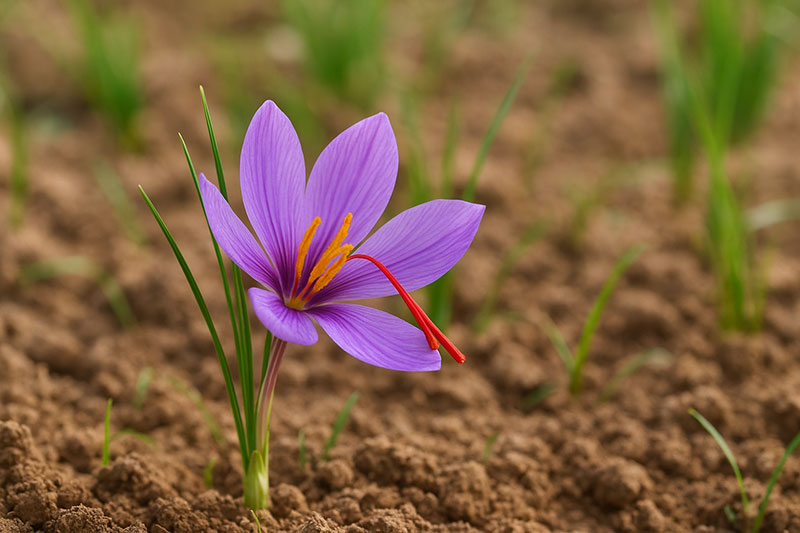
Growing saffron crocus requires specific conditions, which is why saffron cultivation is concentrated in select regions such as La Mancha in Spain, Iran, India (Kashmir), and parts of Greece and Italy.
Ideal Growing Conditions
- Climate: Thrives in hot, dry summers and cool, wet winters.
- Soil: Well-drained soil, moderately rich in organic matter.
- Planting: Corms should be planted in late summer.
- Harvest: Flowers bloom in fall; stigmas must be hand-picked early in the morning to preserve flavor and color.
While home cultivation is possible, it is time-consuming and requires patience, as the plant takes several months to bloom.
🌟 From Flower to Spice: How Saffron Is Made
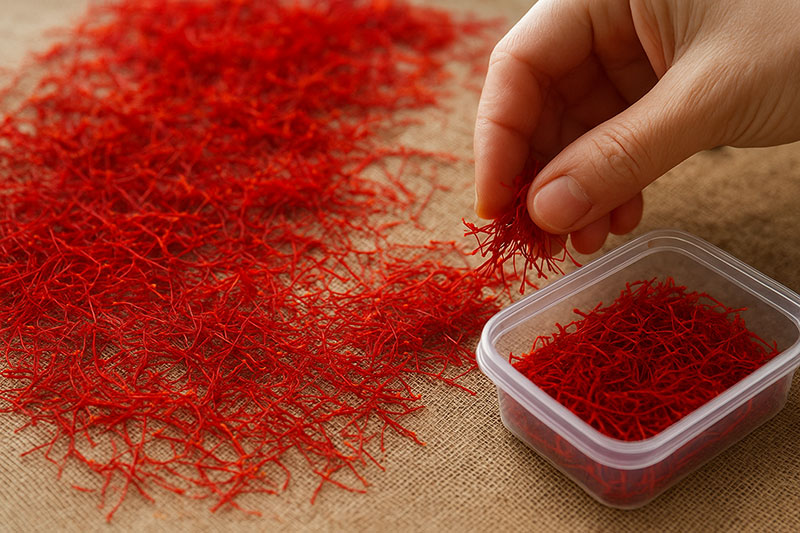
- Harvesting: Each flower is carefully picked by hand.
- Stigma Separation: The delicate red stigmas are separated from the petals.
- Drying: Stigmas are gently dried to preserve aroma, flavor, and color.
- Packaging: The dried saffron threads are packed in airtight containers to maintain freshness.
Note: Only the stigmas are used; petals are usually discarded or used in decorative applications.
🌟 Why Saffron Crocus Is So Valuable
Saffron has been cultivated for over 3,000 years and has a rich history in medicine, cooking, and culture:
- Medicinal Uses: Known for antioxidant properties, mood enhancement, and potential sleep improvement.
- Culinary Uses: Adds unique flavor and golden color to dishes like paella, risotto, biryani, desserts, and teas.
- Cultural Significance: Symbol of luxury and refinement in many societies.
The combination of labor-intensive harvesting, low yield, and high demand makes saffron the most expensive spice per gram worldwide.
🛒 Enjoy Premium Saffron Without the Hassle
Not everyone has the time, climate, or expertise to grow saffron crocus at home—and that’s where we come in. At ESIR, we provide premium saffron threads ready to use in your kitchen.
Why Choose Our Saffron?
- Authenticity: Sourced from trusted farms with proven quality.
- Purity: 100% pure saffron with no additives or fillers.
- Convenience: Ready-to-use threads—no cultivation needed.
- Sustainability: Harvested ethically and responsibly.
Our saffron is perfect for chefs, home cooks, and anyone who wants the authentic flavor and aroma of saffron without the years of cultivation.
🍽️ Culinary Uses of Saffron
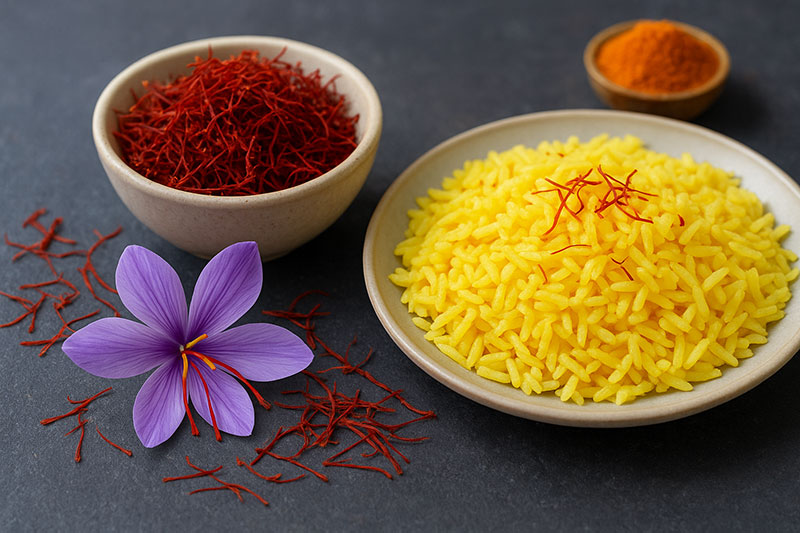
- Spanish Paella: Infuse the rice with saffron’s golden hue and earthy aroma.
- Risotto alla Milanese: Classic Italian dish with a delicate, luxurious taste.
- Persian Stews and Rice: Essential ingredient for traditional Iranian cuisine.
- Desserts: Saffron ice cream, puddings, and cakes for a unique flavor.
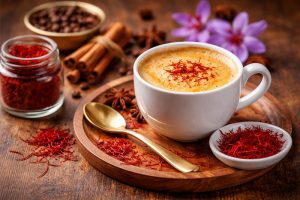
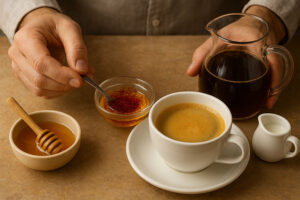
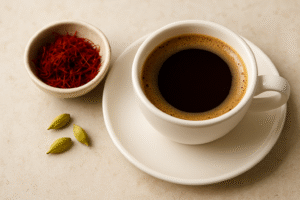
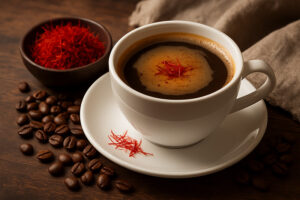
- Beverages: Saffron tea or milk for a soothing and aromatic drink.
Tip: To maximize color and flavor, soak saffron threads in warm water or milk for 10–15 minutes before adding to recipes.
📝 Saffron Crocus vs Saffron Spice
- Saffron Crocus: The flower itself, primarily purple with red stigmas.
- Saffron Spice: The dried red stigmas from the saffron crocus, used in cooking and sold in threads or powder form.
Many beginners confuse the two, but only the stigma threads from Crocus sativus are edible and provide the unique saffron experience.
💡 Health Benefits of Saffron
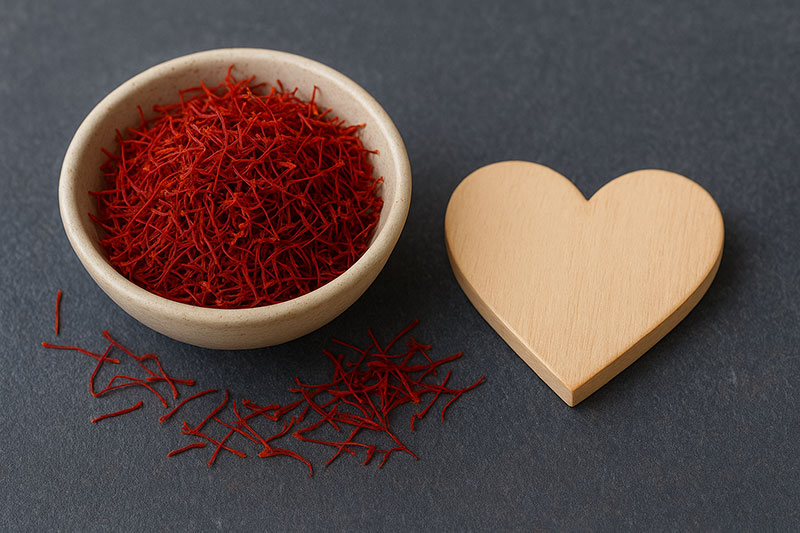
- Antioxidant Properties: Protects cells from damage.
- Mood Enhancer: May help reduce symptoms of mild depression.
- Sleep Support: Can promote better sleep patterns.
- Digestive Aid: Traditionally used to improve digestion and appetite.
Including saffron in your diet combines culinary enjoyment with wellness benefits.
🛍️ Buy Premium Saffron Today
Instead of planting saffron crocus bulbs and waiting months, you can enjoy authentic saffron today. At ESIR, we offer premium saffron threads:
- Perfect for cooking and baking
- High color and aroma intensity
- Authentic, lab-tested, and pure
Shop Now → Premium Saffron Threads
🔗 Additional Resources
