
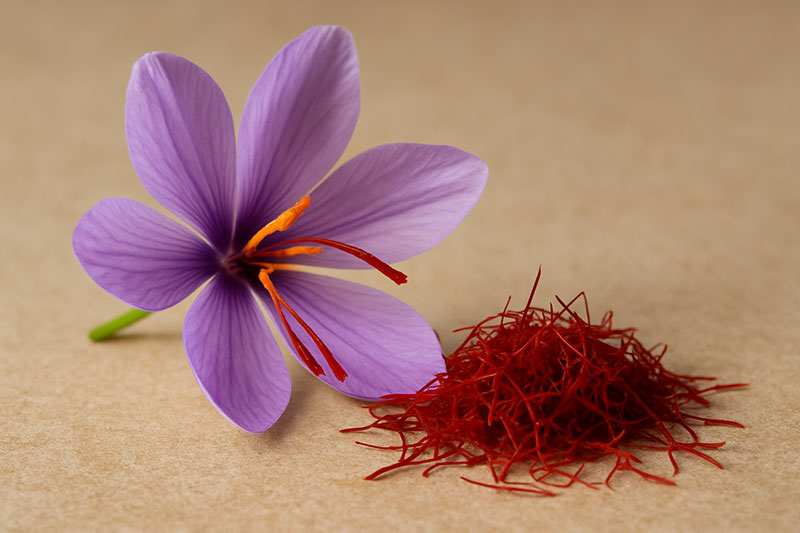
Saffron is widely known as the most expensive spice in the world, prized for its unique flavor, vibrant golden color, and medicinal properties. But have you ever wondered what the famous spice from crocus flowers actually is, or where it comes from? The answer lies in a delicate purple flower known as the saffron crocus, or Crocus sativus.
In this comprehensive guide, we will explore everything you need to know about the saffron crocus—from its botanical origins and cultivation to how it transforms into the world’s most prized spice. Whether you’re a culinary enthusiast, a health-conscious consumer, or someone looking to buy authentic saffron, this guide covers it all.
🌿 Is Saffron a Crocus? (What Is Saffron Crocus?)
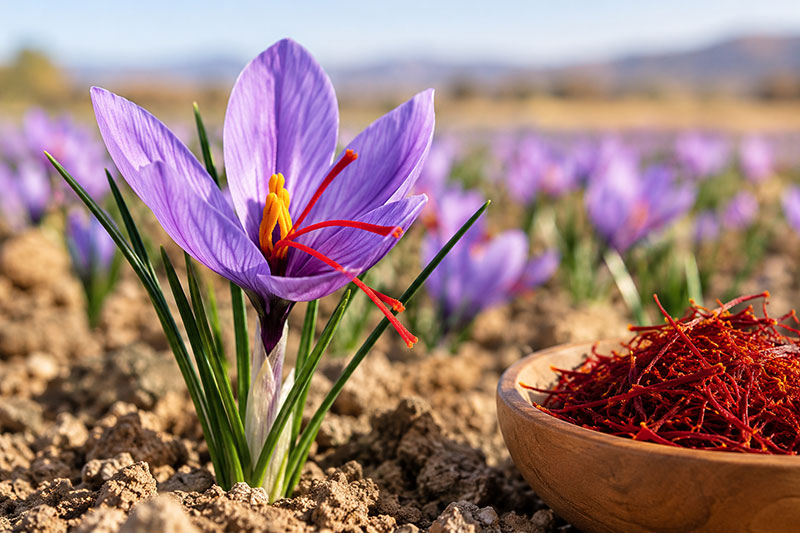
Yes, saffron comes directly from a specific flowering plant called Crocus sativus, commonly known as the saffron crocus.
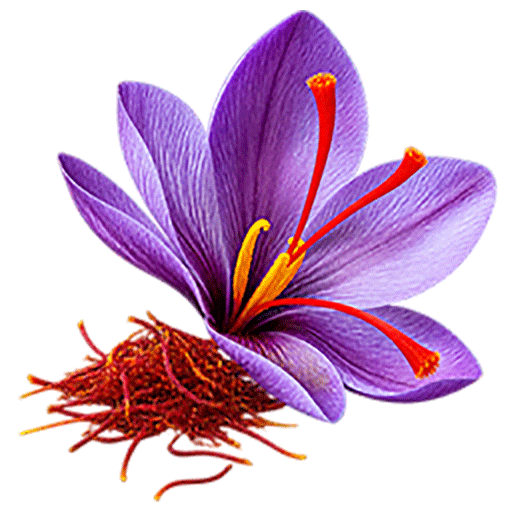
Belonging to the iris family (Iridaceae), this autumn-blooming perennial produces purple flowers, but only its three bright crimson stigmas are hand-harvested and dried to become the world’s most precious spice.
Unlike wild crocus species, Crocus sativus is sterile and triploid, meaning it cannot reproduce through seeds and relies entirely on corms (bulbs) for propagation.
Important distinction: While saffron is a true crocus, not all crocus flowers produce saffron. Common garden crocuses are purely ornamental, and wild varieties like meadow crocus (Colchicum autumnale) are toxic. Only authentic Crocus sativus yields real culinary saffron.
Fun Fact: It takes roughly 75,000 flowers to produce just one pound of dried saffron threads—explaining why this labor of love is so rare and valuable.
What Is the Crocus Sativus Plant? (Saffron Crocus vs. Saffron Plant)
The Crocus sativus plant is a low-growing, autumn-flowering perennial member of the iris family (Iridaceae), specifically cultivated to produce culinary saffron. Unlike decorative spring crocuses, the Crocus sativus plant is sterile and reproduces exclusively through corms (underground bulbs). Each blossom yields three delicate crimson stigmas, which are hand-picked and dried into pure saffron threads.
Many people casually use the broad term “saffron plant” to describe Crocus sativus. While commonly understood, keep in mind that “saffron plant” is occasionally misused for imitators like safflower or toxic wild meadow saffron (Colchicum autumnale). Authentic, culinary saffron comes strictly from the true Crocus sativus plant.
| Feature | Description |
|---|---|
| 🌿 Scientific Name | Crocus sativus |
| 🌼 Common Name | Saffron Crocus, Saffron Plant |
| 🌱 Plant Family | Iridaceae |
| 🌞 Plant Type | Perennial |
| 💜 Flower Color | Light purple |
| 🔴 Stigma Color | Bright red |
| 3️⃣ Number of Stigmas per Flower | 3 threads |
| 📏 Plant Height | 10–30 cm |
| 🍂 Blooming Season | Fall (September–October in the Northern Hemisphere) |
| 🌱 Propagation Method | Through corms (bulbs), not seeds |
| ☀️ Ideal Growing Conditions | Hot, dry summers; cool, wet winters |
| 🌍 Main Cultivation Regions | Iran, Spain (La Mancha), India (Kashmir), Greece, Italy |
| 💎 Special Features | Low yield, labor-intensive harvesting, rare and expensive |
🌱 Cultivation of Saffron Crocus
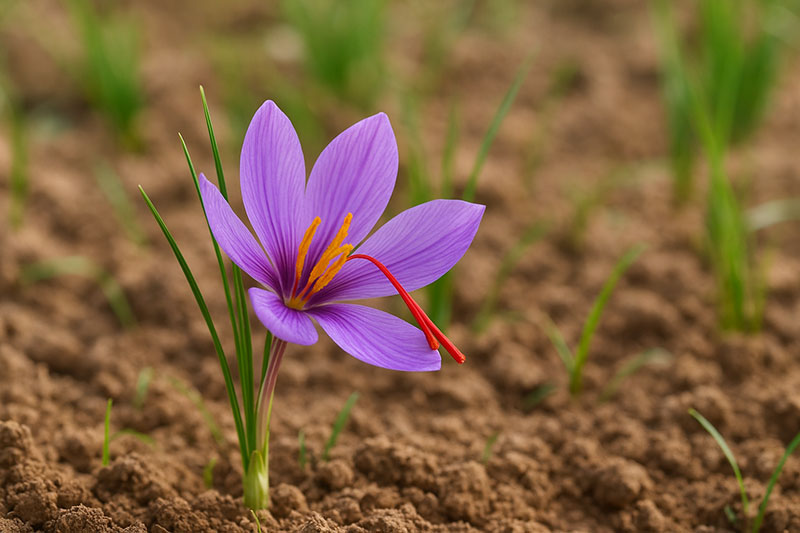
Growing saffron crocus requires specific environmental conditions, which is why authentic cultivation is concentrated in historic saffron-producing regions like Spain, Iran, and Kashmir.
Ideal Growing Conditions
- Climate: Thrives in semi-arid environments with hot, dry summers and cool, crisp autumns.
- Soil: Deep, well-drained sandy or loamy soil, moderately rich in organic matter.
- Planting: Corms are planted in late summer at a depth of 10–15 cm.
- Harvest: Flowers bloom in autumn; stigmas must be hand-picked early in the morning before the sun wilt the petals.
🌟 Saffron: The Precious Spice from Crocus
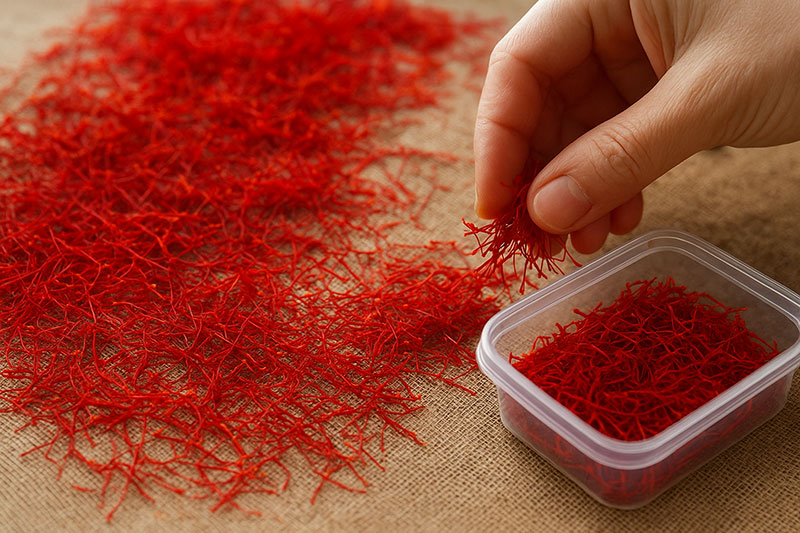
- Harvesting: Flowers are picked by hand in the early morning dew.
- Separation: Workers carefully detach the three crimson stigmas from each flower.
- Drying (Toasting): The stigmas are gently dried or toasted under controlled heat to lock in aroma, safranal, and color.
- Airtight Storage: The finished threads are sealed in opaque, airtight containers to protect them from light and moisture.
🍽️ Culinary Uses of Saffron
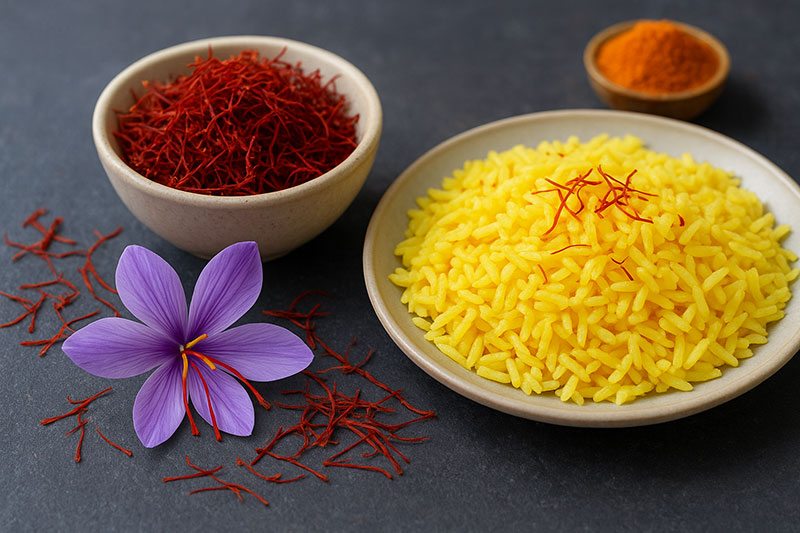
- Spanish Paella: Delivers the signature golden hue and rich, savory aroma.
- Risotto alla Milanese: Adds an authentic, velvety finish to classic Italian rice.
- Traditional Rice & Stews: A staple in Persian, Middle Eastern, and Mediterranean cuisine.
- Gourmet Desserts: Elevates ice creams, pastries, and puddings with a delicate floral note.
- Infused Beverages: Perfect for saffron tea, saffron milk, or specialty coffees.
Chef’s Tip: To unlock maximum flavor and color, gently steep your saffron threads in warm water, milk, or broth for 10–15 minutes before adding them to your dish.
💡 Health Benefits of Saffron
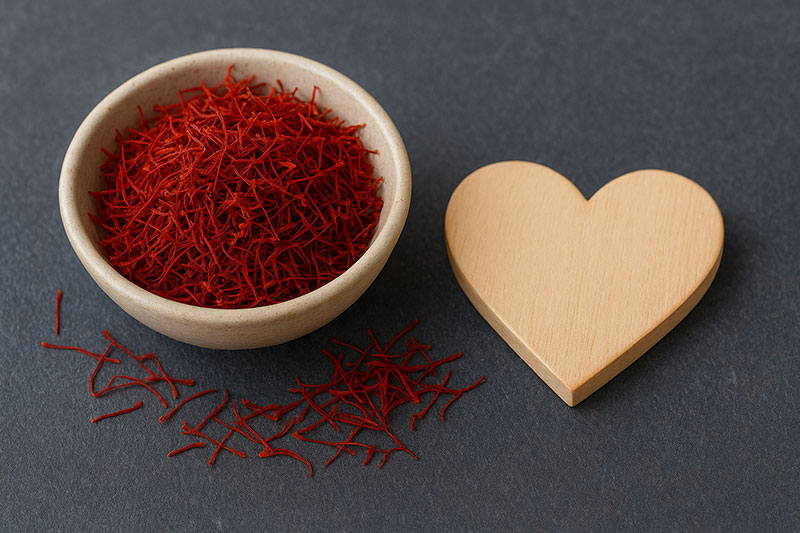
- Antioxidant Powerhouse: Packed with crocin and crocetin, which help protect cells from oxidative stress.
- Mood Enhancement: Clinically studied for its ability to support emotional balance and alleviate mild mood swings.
- Restful Sleep: Promotes relaxation and overall calm before bedtime.
- Digestive Comfort: Traditionally used across ancient cultures to support comfortable digestion.
🛍️ Experience Premium Saffron with ESIR
Growing saffron requires precision, time, and the right climate—but enjoying world-class saffron doesn’t have to be complicated.
At ESIR, we specialize in providing authentic, lab-tested, and premium grade saffron directly to gourmet kitchens worldwide.
- 100% Pure: Free from additives, artificial coloring, or fillers.
- Maximum Aroma & Color: Carefully harvested and dried to preserve potency.
- Direct Worldwide Delivery: Reliable shipping straight to your doorstep.
👉 Discover Our Premium Saffron Selection Today
Contact ESIR Company:
Frequently Asked Questions
Q1: What spice comes from the dried stigma of a crocus flower?
Saffron is the precious spice harvested from the three dried crimson stigmas of the purple flower Crocus sativus.
Q2: Is saffron crocus the same as common garden crocus?
No. Culinary saffron comes exclusively from Crocus sativus, which blooms in autumn. Common spring-blooming garden crocuses and toxic meadow crocuses (Colchicum autumnale) do not produce edible saffron.
Q3: Why is Crocus sativus spice so expensive?
Each flower yields only three stigmas, which must be hand-picked in the early morning. It takes approximately 75,000 blossoms to produce just one pound of dried culinary saffron.



4 Responses
Bellissimo! Ma esattamente che fiore è questo?
Hi Marco! This flower is the Crocus sativus, commonly known as the saffron crocus. Each purple blossom yields only three precious red stigmas, which are hand-harvested to produce pure saffron.
Hallo! Wie sieht echter Safran eigentlich genau aus, wenn man ihn kauft? Woran erkennt man die beste Qualität?
Hallo Lukas! Echter Qualitäts-Safran (Crocus sativus) besteht aus tief dunkelroten Fäden (Stigmen) mit trompetenförmig geweiteten Enden. Er hat keine gelben oder weißen Fäden beigemischt und bricht trocken, anstatt feucht oder klebrig zu sein. Bei ESIR liefern wir ausschließlich 100% reine, laborgeprüfte rote Safranfäden mit maximaler Farbkraft und intensivem Aroma.